The Michelin Guide and Its Stars
From free tyre booklet to dining authority. The Michelin Guide began in 1900 as a free booklet for French drivers. How its one, two and three stars work and how anonymous inspectors judge.
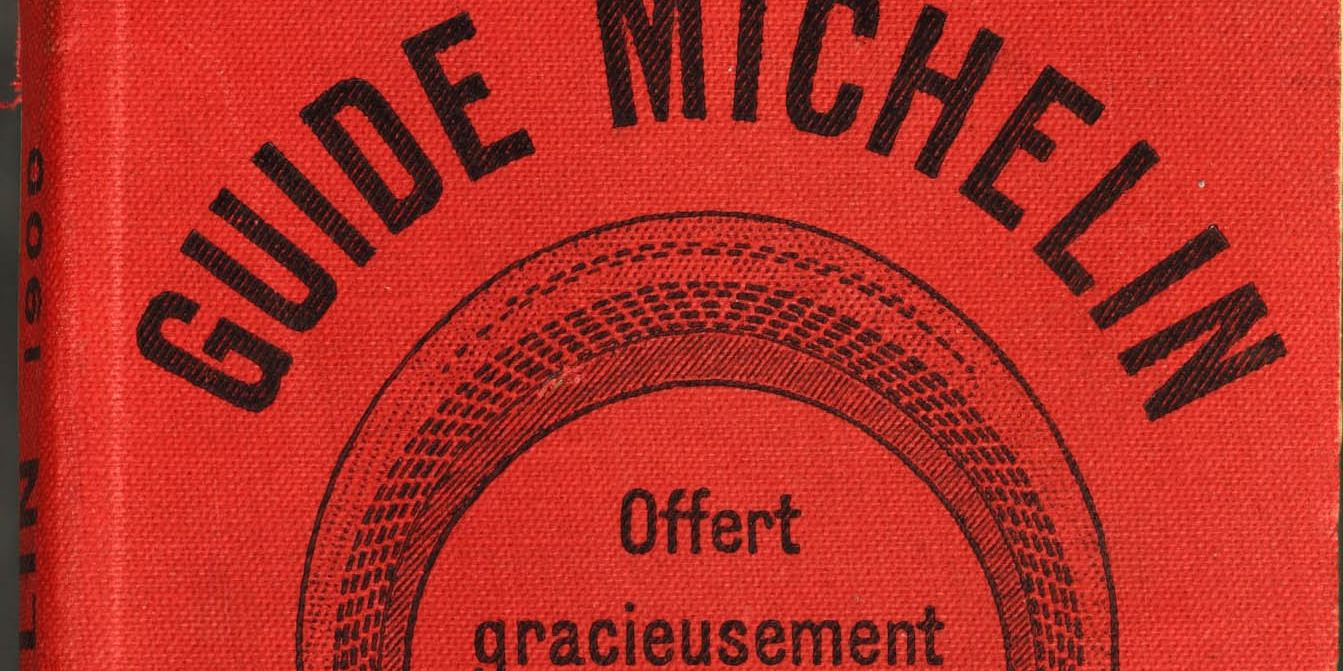
The first Michelin Guide, 1900: Unknown author, Public domain
A guide to sell tyres
In 1900 there were fewer than 3,000 cars in France. The brothers André and Édouard Michelin, who made tyres, wanted more people to drive further, so they published a free guide for motorists with maps, tips on changing tyres and lists of garages, hotels and places to eat. They printed about 35,000 copies.
The guide was given away until 1920, when it began to be sold. The story goes that André Michelin saw copies being used to prop up a workbench and decided people value what they pay for.
How the stars began
The brothers hired inspectors to review restaurants, and in 1926 the guide began awarding a star to fine dining establishments. In 1931 it introduced the hierarchy of one, two and three stars, and in 1936 it published what the stars mean.
One star means high-quality cooking worth a stop, two stars excellent cooking worth a detour, and three stars exceptional cuisine worth a special journey. Michelin also awards Bib Gourmand recognition for good food at moderate prices.
Anonymous inspectors
Michelin's inspectors visit restaurants anonymously and pay their bills like any other guest. They judge the food on the plate, looking at the quality of ingredients, mastery of technique, harmony of flavours, the chef's personality in the cooking and consistency across visits and the whole menu.
Decor and service are not part of the star rating. Stars belong to the restaurant rather than to the chef, and they can be lost as well as won.
Inspectors are full-time employees, often with backgrounds in hospitality, and they usually eat out several times a week. Before a restaurant receives or keeps a high rating, it is typically visited more than once and by more than one inspector, and decisions are made collectively at meetings rather than by a single critic.
Going global
The red guide spread across Europe and then the world. Its first American edition, covering New York City, appeared in 2005, and today there are guides for many cities and countries across Asia, the Americas and the Middle East.
In 2024 Michelin added a separate award for hotels, the Michelin Keys, rated from one to three. Earning three stars remains one of the highest honours in cooking, and only a small number of restaurants worldwide hold them.
- The first Michelin Guide, 1900: Unknown author, Public domain
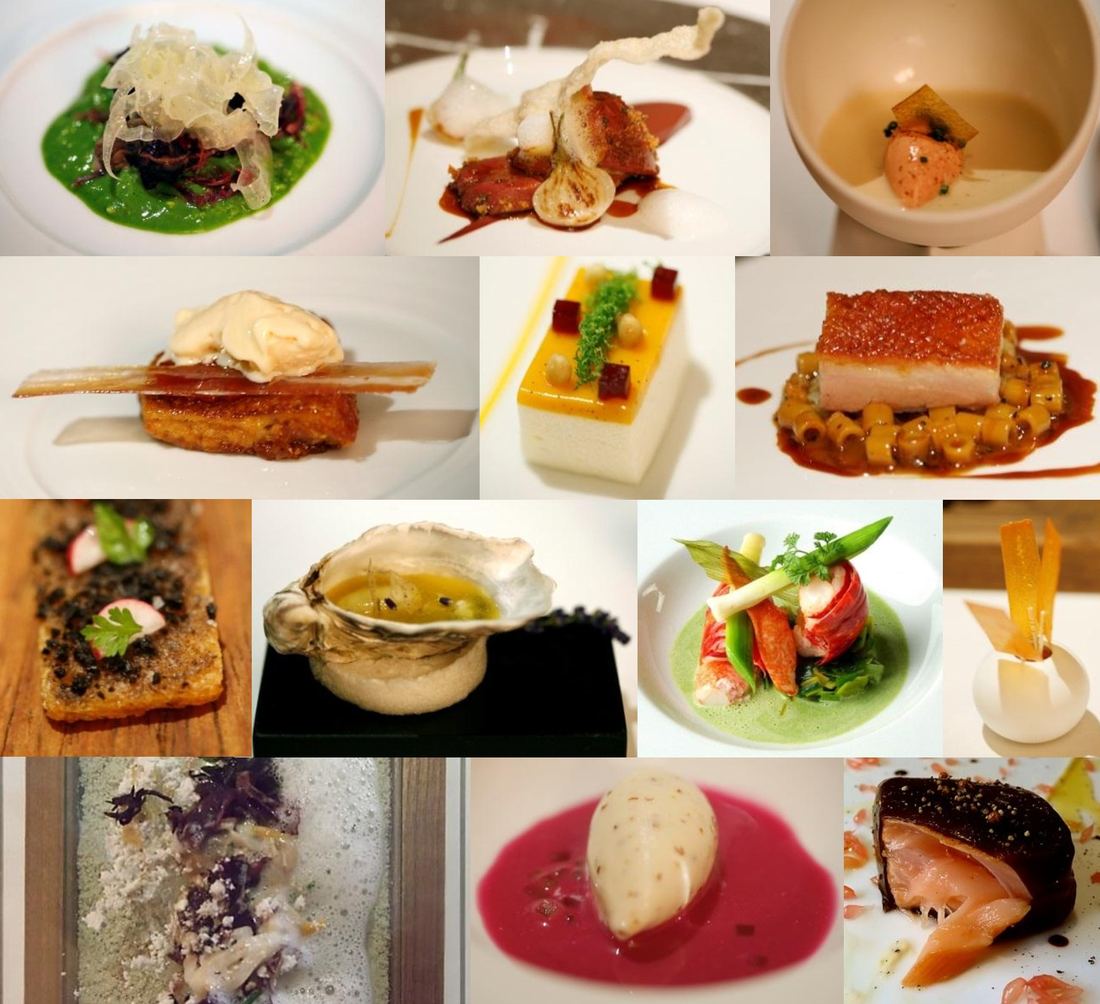
- Dishes from starred restaurants: All pictures made by Charles Haynes except File:Jacques Lameloise DSCF6546.jpg m, CC BY-SA 2.0
Text written by Greatest Prestige.